Salt & Stone is a premium bodycare brand founded in Los Angeles by Nima Jalali. Their rapid ascent has been marked by triple-digit, year-over-year growth, with the brand making the transition from DTC darling to a true omnichannel force.
But with growth came new challenges — the measurement playbook that had brought them so much DTC success wasn't built to capture the full impact of the brand's YouTube ads.
With WorkMagic, the team launched geo lift tests that gave them full clarity into the impact of their YouTube ads, and the confidence to continue to invest in the channel.
Key Takeaways:
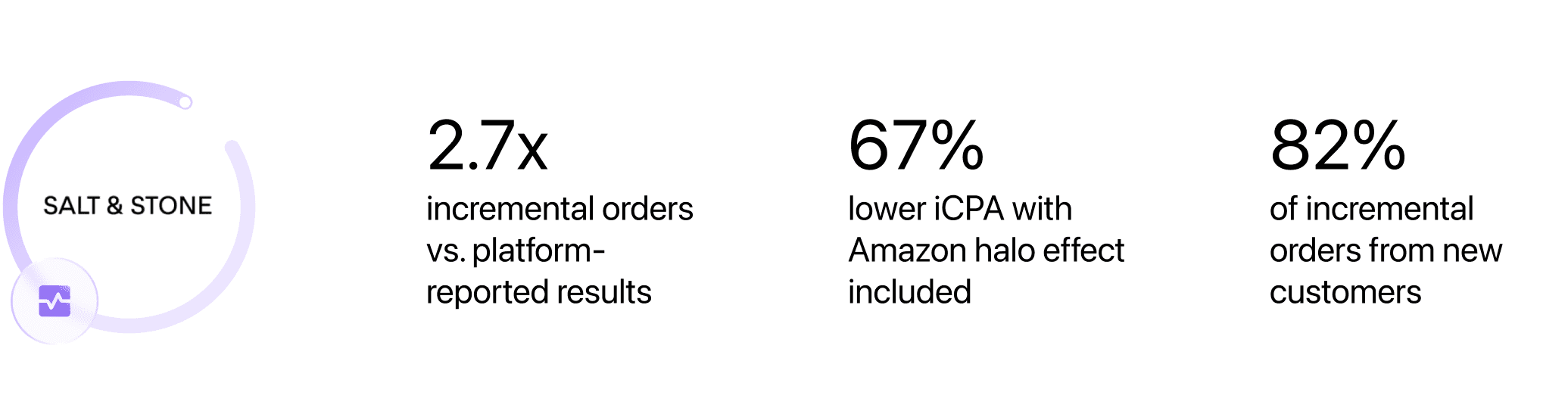
2.7x higher incremental orders measured through geo lift testing vs. platform-reported results
67% lower iCPA once the halo effect on Amazon was effectively measured
82% of incremental orders came from new customers, proving that YouTube was an awareness channel that was also effectively driving conversions
We needed a trusted measurement partner that could help quantify and analyze our next stage of growth. WorkMagic was the perfect solution for this — especially as we continued our expansion into Amazon and other retail locations.

Morgan Hubers, VP, Growth at Salt & Stone
About Salt & Stone
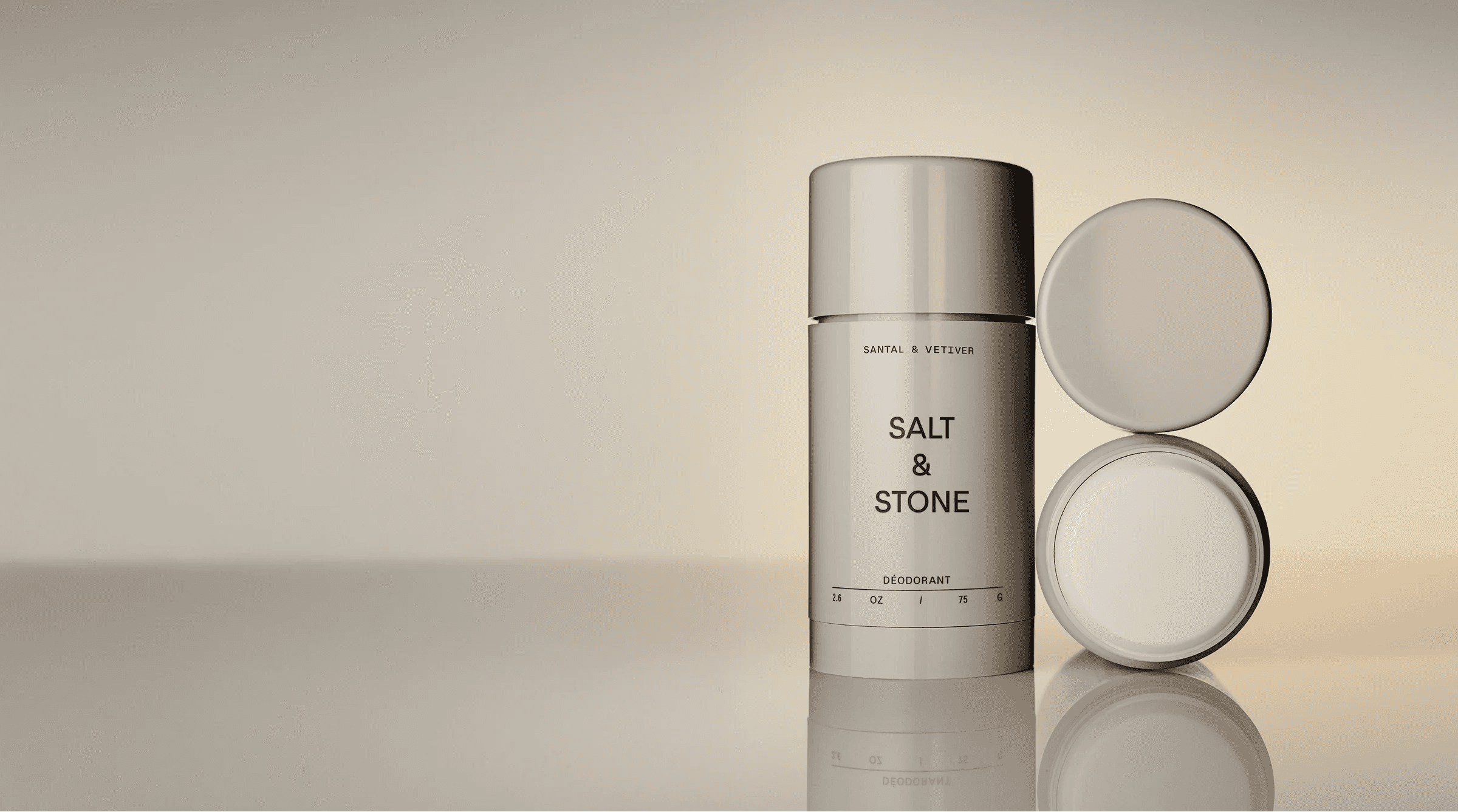
Salt & Stone was founded in 2017 by former professional snowboarder Nima Jalali, born out of his desire for high-performing, natural personal care products that combine active botanicals with a minimalist design that both catches the user's eye and connects them with the outdoors.
The brand's success led to their recent expansion into Sephora's 1,600-store footprint, and its recognition as the #1 bodycare brand in Erewhon.
Rapid omnichannel growth outpaced Salt & Stone's traditional attribution methods
Having expanded beyond their initial DTC presence to Amazon and retail storefronts across the country, the Salt & Stone team had to rethink their approach to marketing attribution.
With a true omnichannel presence, the team was beginning to doubt that a click-based approach to marketing measurement could fully capture the impact of their ad spend.
Those doubts were amplified with channels like YouTube. Salt & Stone had invested in influencers and UGC on YouTube back when it was a DTC-only brand, and had seen great success. Measurement was also simpler — the team could track how clicks on YouTube Ads translated neatly into purchases on their Shopify storefront.
But today's customer journey is a lot more complex. Customers could discover the brand on YouTube, convert in-store at Sephora, and then reorder on Amazon — making measurement harder than ever before.
Geo lift tests that uncovered YouTube's true omnichannel impact
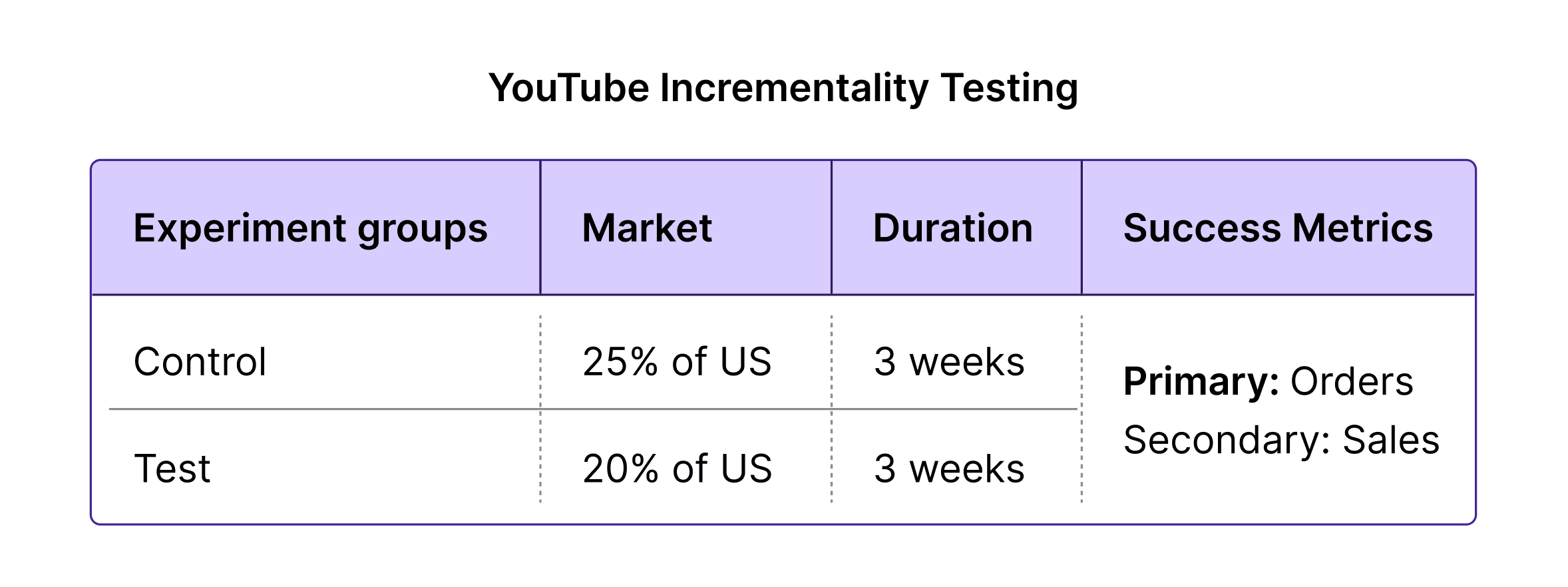
To understand the true omnichannel impact of YouTube Ads, the Salt & Stone team turned to WorkMagic.
The WorkMagic team designed and executed a geo lift test to accurately determine YouTube's impact on both the brand's Shopify and Amazon channels.
Salt & Stone gained full clarity into YouTube's omnichannel performance
Within three weeks, Salt & Stone had full clarity into YouTube's influence across their omnichannel funnel.
YouTube's halo effect drove massive incremental gains for Salt & Stone
While platform metrics tended to focus on Shopify sales, YouTube's impact was quietly being felt on Amazon as well.
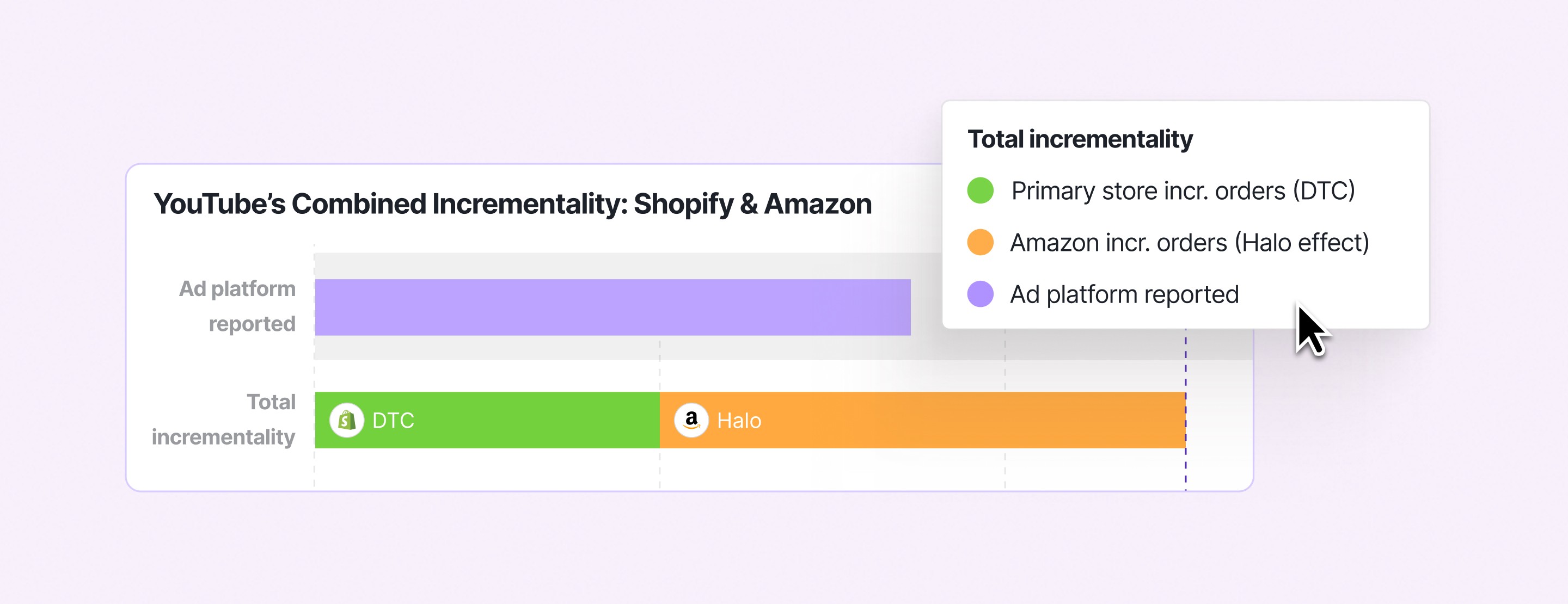
The lift test quantified this impact: a staggering two-thirds of YouTube's incremental orders had been happening on Amazon (also known as the halo effect). And because those conversions didn't involve a direct click within the Google/YouTube ecosystem, they were entirely invisible to platform reporting.
The team's hunch had been validated — their rapid omnichannel growth meant that traditional attribution methods were missing out on a large portion of their ads' impact.
Recalculated metrics further emphasized YouTube's impact
With clarity on the size of YouTube's halo effect, the team could now confidently reassess the channel's impact. The WorkMagic platform automatically calculated and presented these findings:
Uplift from YouTube was 2.7x higher than what platform-reported data had indicated
iCPA decreased by 67%, mainly due to the halo effect from Amazon
Combined iROAS for YouTube was 182% higher with the halo effect included
The results were clear: without a way to account for the halo effect of their ads on Amazon, the team was only seeing a third of the full picture.
YouTube's position as a key driver of new customer growth
One question lingered on the team's mind: how could they quantify YouTube's contribution as an awareness channel? The team wasn't looking for surface-level metrics like views or video plays — they wanted to see if the awareness was leading to new buyers. Once again, the WorkMagic platform delivered:
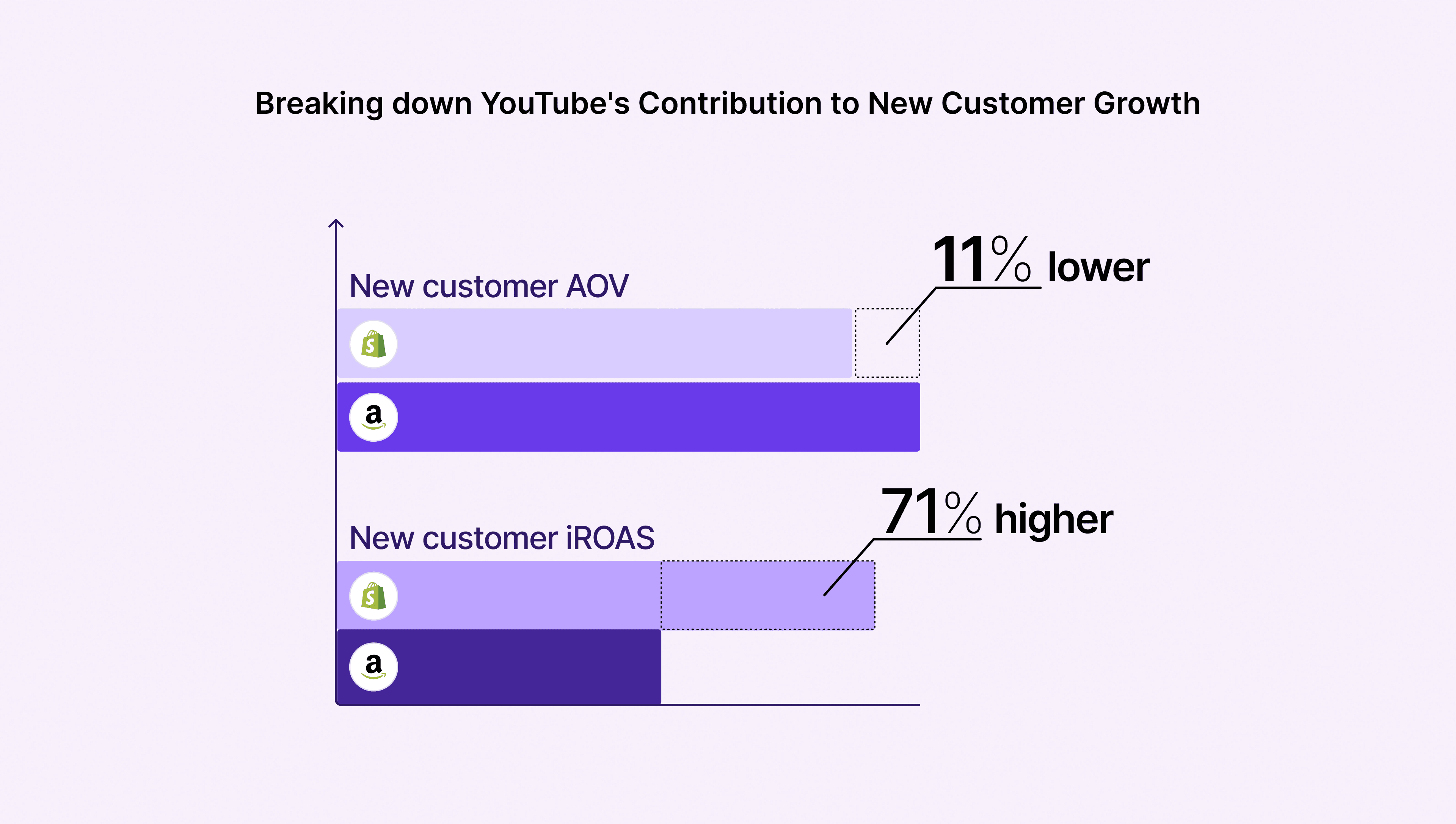
The platform analyzed YouTube's contribution to acquiring new customers with both clarity and granularity. It reported that:
82% of the incremental orders through YouTube were net new customers
Among those, new Amazon buyers had a 71% higher iROAS compared to those on Shopify.
This was balanced by an 11% lower AOV on Amazon, a trade-off the team was willing to accept given the acquisition efficiency.
With this detailed breakdown in hand, it was clear to the Salt & Stone team that YouTube wasn't just driving brand awareness, but delivering the brand story to new customers and influencing their first purchase as well.
Looking Ahead
With clarity on how YouTube influences performance across Shopify, Amazon, and retail, Salt & Stone now has the measurement foundation it needs to grow with confidence.
The team plans to continue investing in upper-funnel channels like YouTube, but with a renewed focus on how those investments drive omnichannel outcomes — not just clicks.
Armed with a more accurate view of true incrementality, Salt & Stone can now make media decisions based on outcomes, not assumptions.
Still measuring performance by clicks alone? Book a demo with WorkMagic to uncover the true impact of your marketing across Shopify, Amazon, retail, and beyond.